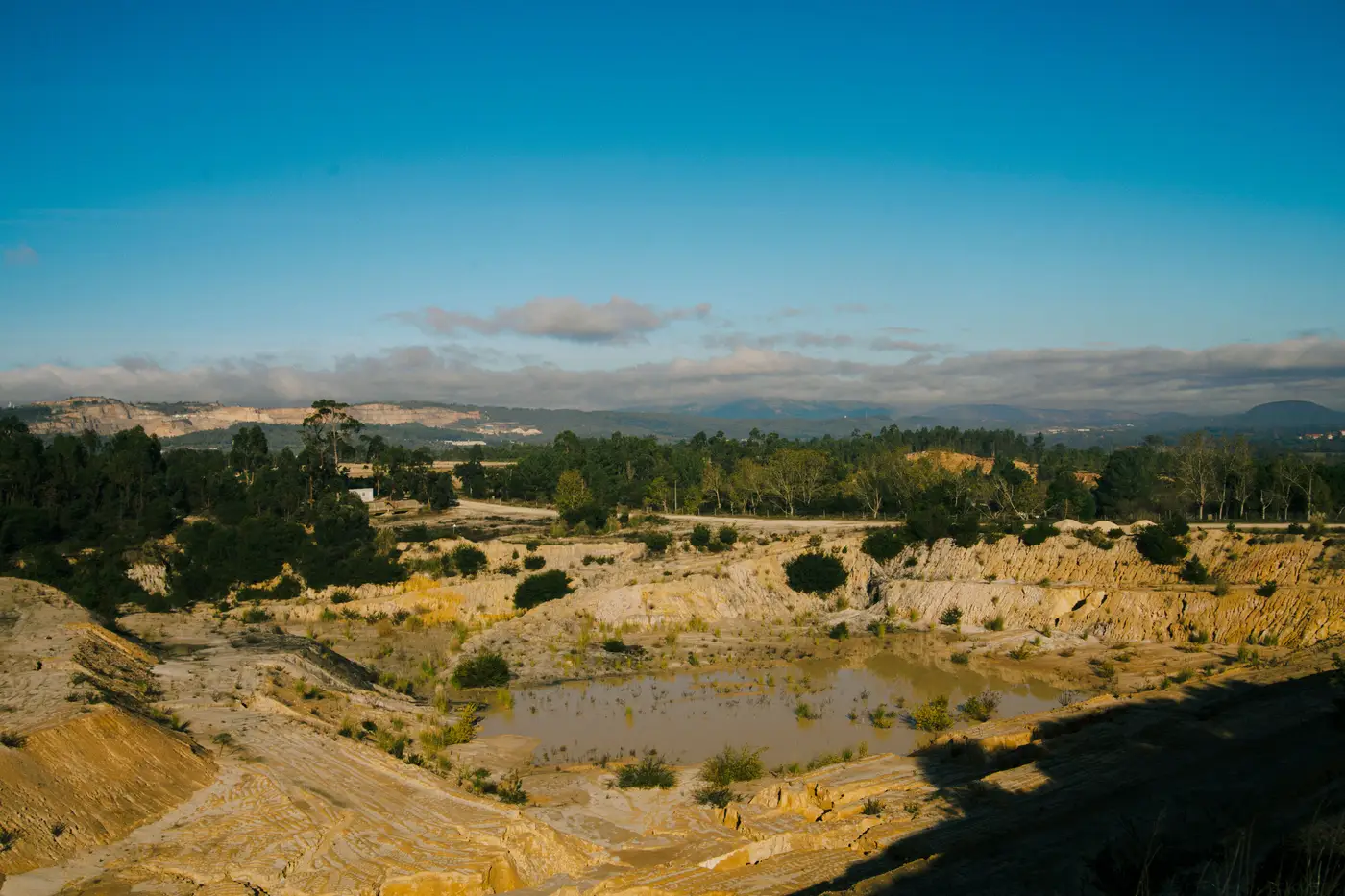
There's a corner of a worked-out quarry on my patch that I'd have sworn was clean. Bare limestone floor, a bit of scrub along the north face, the kind of ground that looks too awkward to bother with. No road frontage worth mentioning, just a haul track that hasn't seen a dumper truck in years.
Between the spring pass and the summer one, it filled up.
Not a bag or two tossed over a fence. A proper load: mixed construction rubble, a few rolls of carpet gone green with damp, what looked like a stripped-out kitchen. The kind of tip that takes more than one van and more than one visit. By the time I walked it on the ground, the access track had a worn line pressed into it where tyres had gone back and forth enough times to leave a mark.
Quarry corners take waste. That's not news to anyone who's worked enforcement for more than a season. What got me was the gap: three months, start to finish, and not one complaint.
No neighbour rang it in because there isn't a neighbour. No dog walker because there isn't a path. The nearest house is a mile off across two fields, and nobody was going to notice a pile of rubble on quarry floor unless they went looking for it on purpose.
That's the pattern worth naming. The complaints line works fine for roadside tipping, the stuff dumped on a verge where someone driving past at thirty miles an hour catches it out the corner of their eye. It does nothing for ground that's private, screened, or simply off anyone's daily route. Quarry floors, the backs of industrial yards, the scrubby triangle behind a retail park, the verge on a B-road nobody drives for fun. These are the places tippers pick precisely because nobody's watching. A complaint can't flag what nobody saw.
Comparing a quarterly pass against the one before it does something the phone line can't. It doesn't need a witness. The corner that was bare ground in April and a waste stack in July shows up as a change, full stop, regardless of whether a single resident ever laid eyes on it. At half a metre resolution the texture difference is plain enough on its own: bare rock reads flat and even, a rubble pile reads broken and shadowed, a stack of bagged waste has that lumpy, irregular signature that doesn't match anything natural sitting on a quarry floor. Put the two dates side by side and the eye goes straight to it.
The useful bit is catching the dump within weeks of it landing. Wait three months and the pile's doubled, with the next load already tipped on top because the first one sat unnoticed long enough to look like it was fine to use again. Fly-tipping spots compound. One load that sits unchallenged tells the next crew the ground's safe. The gap between the pass that shows it clean and the pass that shows it full is the window where that compounding either gets cut off or doesn't.
I've started treating the quarry edges, the vacant industrial lots, and the dead-end verges as a separate tier from the roadside stuff the phone line already handles well. That's the ground where a quarterly sweep of the whole patrol area earns its keep, because it's the ground where nobody's going to call it in for you.
If your patch has corners like that one, Waste Dump Detection runs the comparison for you every quarter so the next full-to-the-brim pile doesn't wait for a complaint that was never coming.