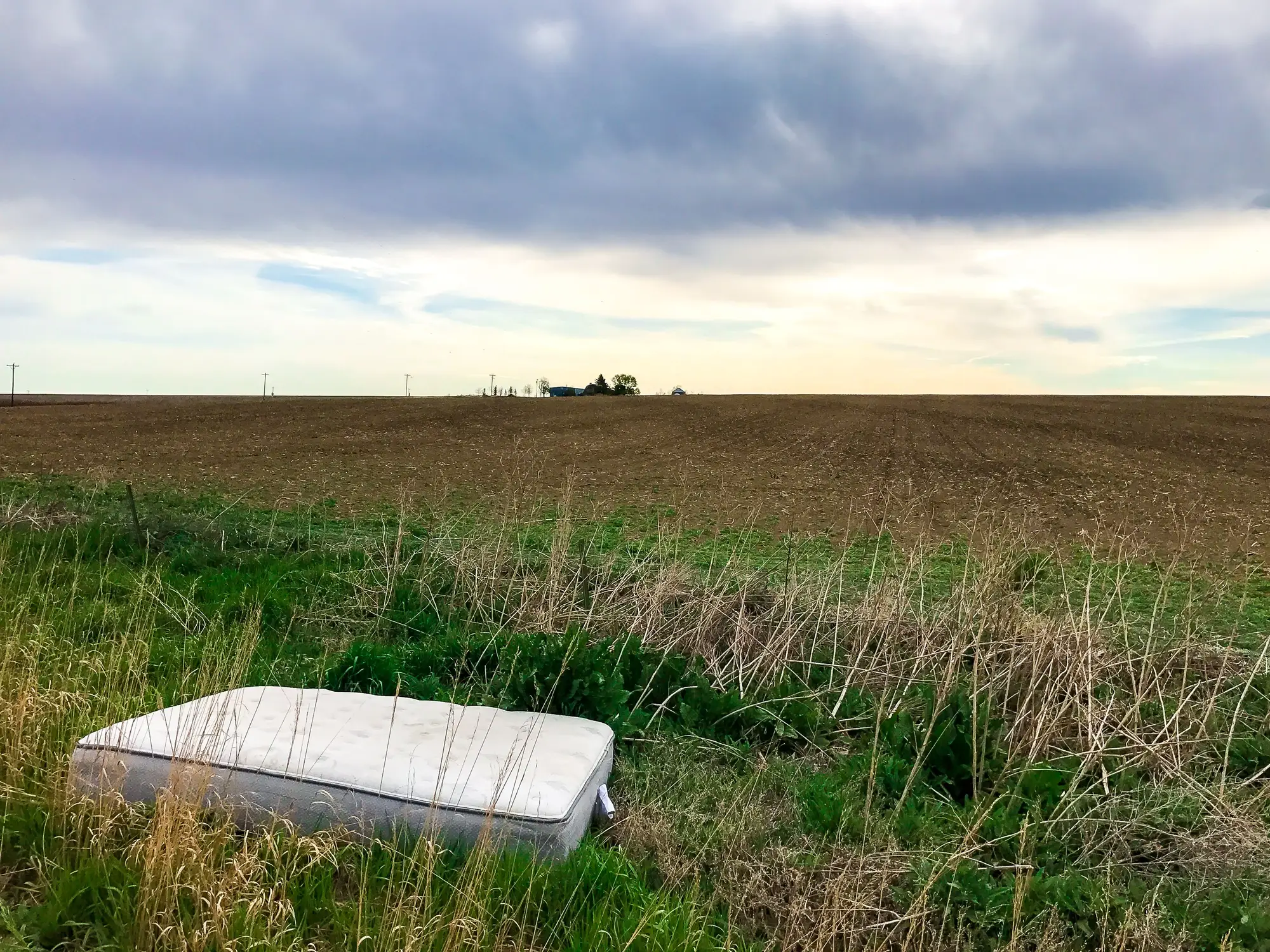
A pile of waste on farmland isn't automatically a crime scene. Before any enforcement action goes out, it's worth checking whether the material is sitting there under a registered waste exemption. Get this wrong and you'll spend a morning serving notice on someone who's done everything by the book.
What the regulations actually permit
The Environmental Permitting Regulations (EPR 2016) set out two ways to handle waste legally without a full environmental permit. One is a permit itself, which is expensive and slow to get. The other is a registered exemption, a lighter-touch route for low-risk, small-scale waste activities that Defra and the Environment Agency decided don't need the full permitting machinery.
Exemptions cover things like storing waste wood before it's chipped, spreading waste on land to improve it, using waste as a sub-base for a farm track, or burning certain plant material. Each exemption type has a code (U10, U11, T6 and so on) and its own limits on tonnage, duration and what the land is used for afterward. A farmer who registers the right exemption and stays inside its limits is operating within the law, even though to a passing resident it looks exactly like a tip.
The registration itself is simple. It goes on a public register, costs a modest fee, and typically runs for three years before it needs renewing. That register is the first thing to check when a mound of waste turns up somewhere it wasn't last quarter: search the land, search the operator, and see if there's a current entry that covers what you're looking at.
"Deposit for recovery" and where exemptions stop being a defence
The phrase that matters most here is deposit for recovery. An exemption only protects waste that's genuinely being recovered, meaning it's being put to a use: improving land, building a track, restoring a quarry void. It does not protect waste that's simply being disposed of under the cover of a recovery claim. This is where most of the genuine fly-tipping disputes on agricultural land actually sit. Someone has an exemption on paper for land improvement, but what's arriving on site is mixed construction waste, or far more tonnage than the exemption allows, or material that has nothing to do with improving anything.
Checking the exemption document only narrows the enquiry down to one question: does the waste on the ground match the waste described in the registration, and is it still within the stated quantity and timeframe? An exemption that's been exceeded or used for the wrong waste stream stops being a defence and becomes evidence the operator knew the rules and broke them anyway, which tends to matter at sentencing.
What this means for a sweep of the ground
None of this changes what a quarterly look at verges, quarries and vacant land is for. It changes what happens after something new shows up. A new mound on a field edge that turns out to sit on land with a current, matching exemption is a different job to one with no registration attached at all, and sorting that out fast is what keeps enforcement time on the sites that need it. Waste Dump Detection exists for the second half of that job: catching the new mound before someone else complains about it.
If a quarter's worth of new deposits across the patch needs flagging before the next round of complaints does, see how the quarterly sweep works.
Next time a tip turns up overnight on agricultural land, check the register before you check your temper, and if the paperwork doesn't match what's on the ground, you've got your case.