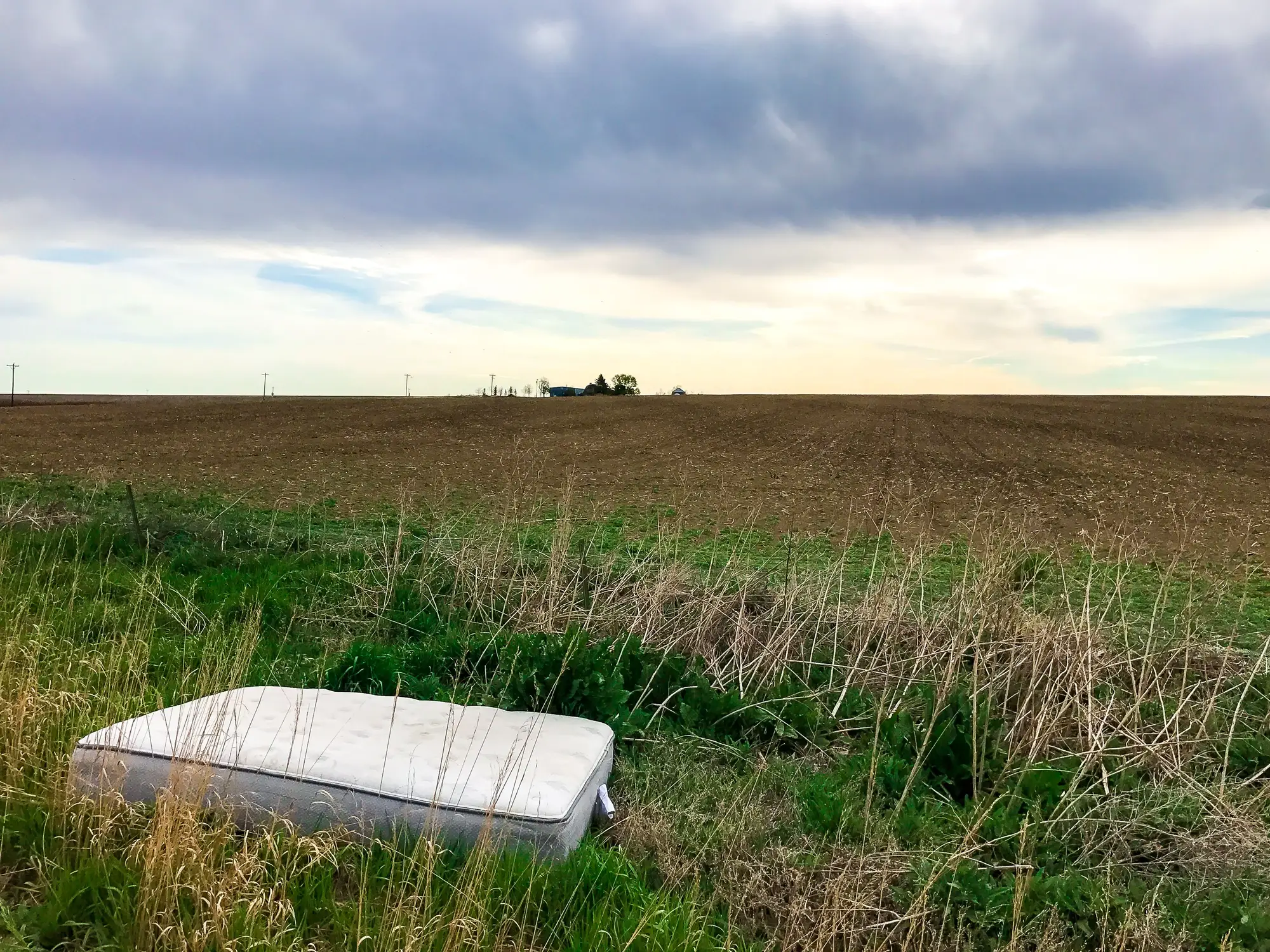
A landowner calls in, furious. Someone's dumped a trailer-load of roofing waste and garden rubble on the back field overnight, and they want to know why it's their problem to sort out when they didn't put it there. It's a fair question, and the answer catches a lot of people off guard.
The landowner usually carries the clean-up, not the fine
In most jurisdictions that use the term "fly-tipping," civil liability for waste sitting on private land follows the land, not the dumper. If nobody is caught, the landowner is generally the one on the hook for removing it, because the waste is now on property they control, and most environmental protection legislation treats uncleared waste as an ongoing nuisance rather than a one-off event someone else caused.
That doesn't mean the landowner is guilty of the original offence. Fly-tipping itself is a criminal act committed by whoever dumped it, and if enforcement identifies that person, they face the fine or prosecution. But proving who tipped a load at 2am on an unlit farm track is hard, and in the meantime the waste still has to come off the land. Councils and environment agencies can and do serve formal notices requiring the landowner to clear it within a set period, regardless of fault. Quarries, verges owned by a private estate, vacant plots awaiting development: all of it falls on whoever holds the title.
There are exceptions. If a landowner knowingly allowed tipping, took payment for it, or failed a clear duty-of-care obligation (for example, signing waste over to an unlicensed carrier who then dumped it instead of disposing of it properly), liability shifts from "unlucky bystander" to "party to the offence." That's a different conversation, and usually a longer one.
Why the timing of discovery matters as much as the law
That gap between what the law says and what happens on the ground is what shapes how an enforcement team actually operates day to day. Liability rules only bite once a dump is found. A pile that's sat on a disused quarry floor for four months, slowly spreading as more loads get added on top, is a much bigger clean-up bill, a harder evidence trail, and a much angrier landowner than one caught in its first week.
Most jurisdictions don't find new dumps through routine patrol. They find them through a phone call: a dog walker, a neighbour, a landowner doing their rounds. That means the enforcement response is set by whoever shouts loudest or notices first, not by how fresh the dump is or how much waste has already accumulated. A site that's been growing for a season behind a hedge line can sit unreported the whole time, racking up both tonnage and liability questions, while officers chase smaller, louder complaints elsewhere.
That's the gap a quarterly sweep is built to close. Comparing very-high-resolution imagery of verges, quarries and vacant land against the previous quarter flags the texture and colour signature of newly tipped waste before anyone picks up the phone, so officers can get to the newest sites first instead of working strictly off the complaint queue. If you're covering a jurisdiction where private landowners are already asking who's responsible for waste they didn't put there, a quarterly flag of what's new since last time means that conversation starts earlier, with less waste on the ground and a tighter window to work out who dumped it.
Landowners don't choose to become liable for someone else's rubbish, but once it's on their land, the clock is already running on clearance notices and clean-up costs. Getting eyes on new tipping before it sits for a season is the one part of that timeline enforcement can control.
Worth a look if your current process still waits on the phone to ring.